
How to Become a Carpenter in Australia?
Learn how to become a carpenter in Australia. Explore training pathways, qualifications, apprenticeships, and career options for international students.
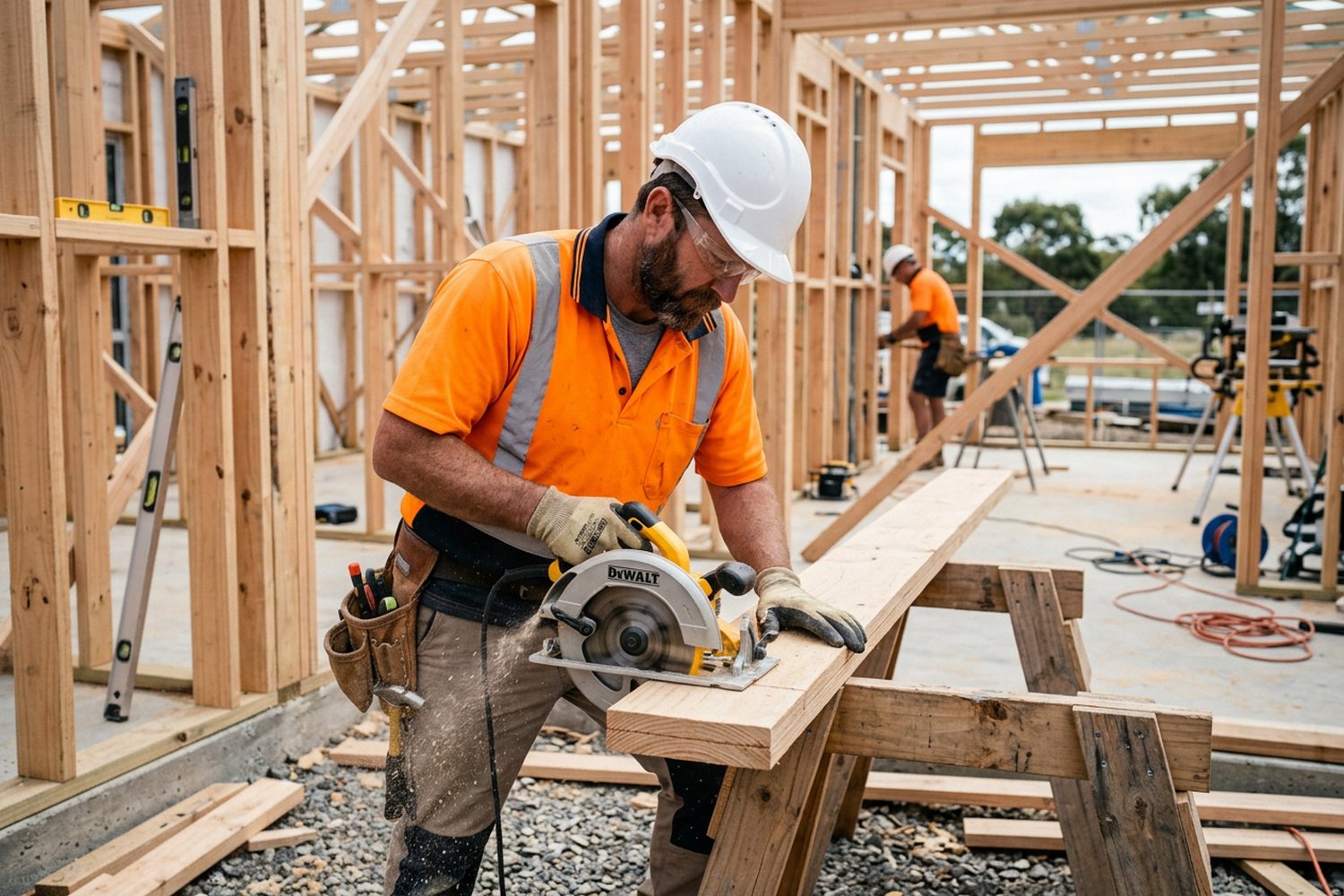
Carpentry is one of the most in-demand skilled trades in Australia. It offers hands-on work, steady job opportunities, and a long-term career that can grow with your experience. With ongoing housing developments and infrastructure projects, the building and construction industry relies heavily on skilled tradespeople, including carpenters and joiners.
According to the Australian Government’s Job Outlook and related labour data, there are currently around 149,900 carpenters and joiners employed in Australia, and the sector is expected to remain strong as construction activity continues to expand. Industry forecasts indicate that Australia’s construction sector will require approximately d 162,900 additional workers by 2034, with significant demand for vocational trade skills such as carpentry to support residential and commercial building projects.
If you’re an international student planning to learn how to become a carpenter, this guide outlines the full pathway. You’ll discover the skills and knowledge required, training options, qualifications, and opportunities to help you decide whether carpentry is the right career choice for you.
Key Takeaways
- Carpentry is a high-demand trade in Australia
- You can study carpentry through recognised vocational training pathways
- Carpenters work across residential, commercial, and industrial environments
- Training focuses on practical skills, safety, and hands-on experience
- International students can study carpentry-related courses in Australia
What Does a Carpenter Do in Australia?
A carpenter plays a vital role in the Australian building and construction industry. Their work involves constructing, installing, maintaining, and repairing structures and fixtures using timber and other materials.
Typical duties include:
- Constructing frames for walls, floors, and roofs
- Installing doors, windows, stairs, and flooring
- Measuring, cutting, and assembling materials to construct buildings
- Reading plans and interpreting construction drawings
- Using hand and power tools safely on job sites
Carpenters may work on:
- Residential projects such as new homes and renovations
- Commercial and industrial buildings, including offices and retail spaces
- Active construction sites as part of a trade team
While builders manage overall projects, carpenters focus on hands-on construction work. Joiners or cabinet makers typically work in workshops producing joinery items and custom fixtures.
How To Become a Cabinet Maker?
Cabinet making is closely related to carpentry, but is a distinct trade within carpentry and joinery.
Cabinet makers generally:
- Create custom furniture and cabinetry
- Work primarily in workshops
- Focus on detailed joinery and finishing
Carpenters, by contrast:
- Work mainly on construction sites
- Build structural elements such as frames and timber structures
- Perform a broader range of construction tasks
If you enjoy outdoor work and large-scale projects, carpentry may be the better fit. If fine detail and workshop-based work appeal to you, cabinet making may be more suitable.
What Skills Do You Need To Become a Carpenter?
You do not need prior experience before starting training. Carpentry courses are designed to progressively build skills, from basic techniques to advanced construction methods used in Australia today.
During training, students develop both technical competencies and practical workplace skills.
Technical and practical skills
Students learn to:
- Use tools and equipment, including power tools, safely
- Take accurate measurements and apply construction mathematics
- Read and interpret plans and drawings
- Construct frameworks, including timber ceiling frames
- Understand Australian building codes and standards
Physical and workplace skills
Training also develops:
- Physical stamina and strength
- Safe manual handling techniques
- Teamwork, communication, and problem-solving skills
Many programs include blended learning and vocational placement, allowing students to gain hands-on experience and prepare for work environments in Melbourne and other regions.
What Career Opportunities are Available for Skilled Carpenters?
Once you complete your qualification, a range of career opportunities becomes available.
- Residential carpenter – Builds and renovates homes, including framing, roofing, flooring, and repairs.
- Commercial carpenter – Works on large-scale commercial and industrial projects, often within structured teams.
- Formwork carpenter – Specialises in temporary frameworks used in concrete construction.
- Finishing carpenter – Focuses on detailed final work, including fixtures and fittings.
- Joinery or specialised roles – Produces custom joinery items or specialised timber components.
Qualified carpenters may work for builders, contractors, or operate independently. Over time, manychoose to specialise further, supervise teams, or establish their own businesses, offering long-term flexibility and growth.
How Long Does It Take To Become A Qualified Carpenter?
The time needed to become a qualified carpenter depends on your chosen pathway:
- Starting from scratch with training and work experience
- Completing a pre-apprenticeship such as a Certificate II in Building and Construction
- Applying for skills assessment through Recognition of Prior Learning (RPL)
Most pathways lead to the Certificate III in Carpentry (CPC30220), which is a nationally recognised qualification.
For international students, choosing a registered training organisation (RTO) is essential. VIITE, based in Melbourne, offers carpentry courses aligned with Australian industry standards. Training focuses on developing job-ready skills, understanding safety requirements such as the White Card, and preparing students for work experience and job readiness in the local market.
Cost Of Becoming a Carpenter In Australia
The cost of becoming a carpenter in Australia varies depending on your training pathway, location, and study provider. Expenses typically fall into several categories.
- Course or training fees
These depend on the qualification and training provider. Fees may vary based on whether you are studying through an apprenticeship, a pre-apprenticeship, or a standalone training program.
- Tools and safety equipment
Students and apprentices typically need basic tools and safety gear, such as steel-capped boots, protective clothing, and hand tools. These are often acquired progressively throughout training.
- Other incidental costs
Additional expenses may include learning materials, travel to training sites, or general study-related costs.
It’s important to note that apprentices earn wages while training, which can help offset costs. Skilled trades typically provide stable income growth as experience increases, making carpentry financially sustainable.
Is Carpentry a Good Career In Australia?
Yes, Carpentry offers strong job stability, especially as demand continues across housing and infrastructure sectors. While physically demanding, many tradespeople value the satisfaction of building, maintaining, and repairing structures, including damaged structures.
Can International Students Become Carpenters In Australia?
Yes, International students can undertake carpentry course through approved vocational providers, including TAFE and private colleges. Programs may include work experience, practical training, and safety education, such as construction induction training.
How To Get Started Today
To pursue a career as a carpenter:
- Research training options and course details
- Enrol in recognised building and construction programs
- Obtain the required safety credentials, like the White Card
- Gain practical experience through training or an apprenticeship
If you’re planning to study to study in Melbourne, Victorian International Institute of Technical Education (VIITE) offers industry-focused training designed to help international students build confidence and practical skills for employment in the construction sector.
Taking the first step today can help you build a long-term future as a fully qualified carpenter in Australia.